Menu

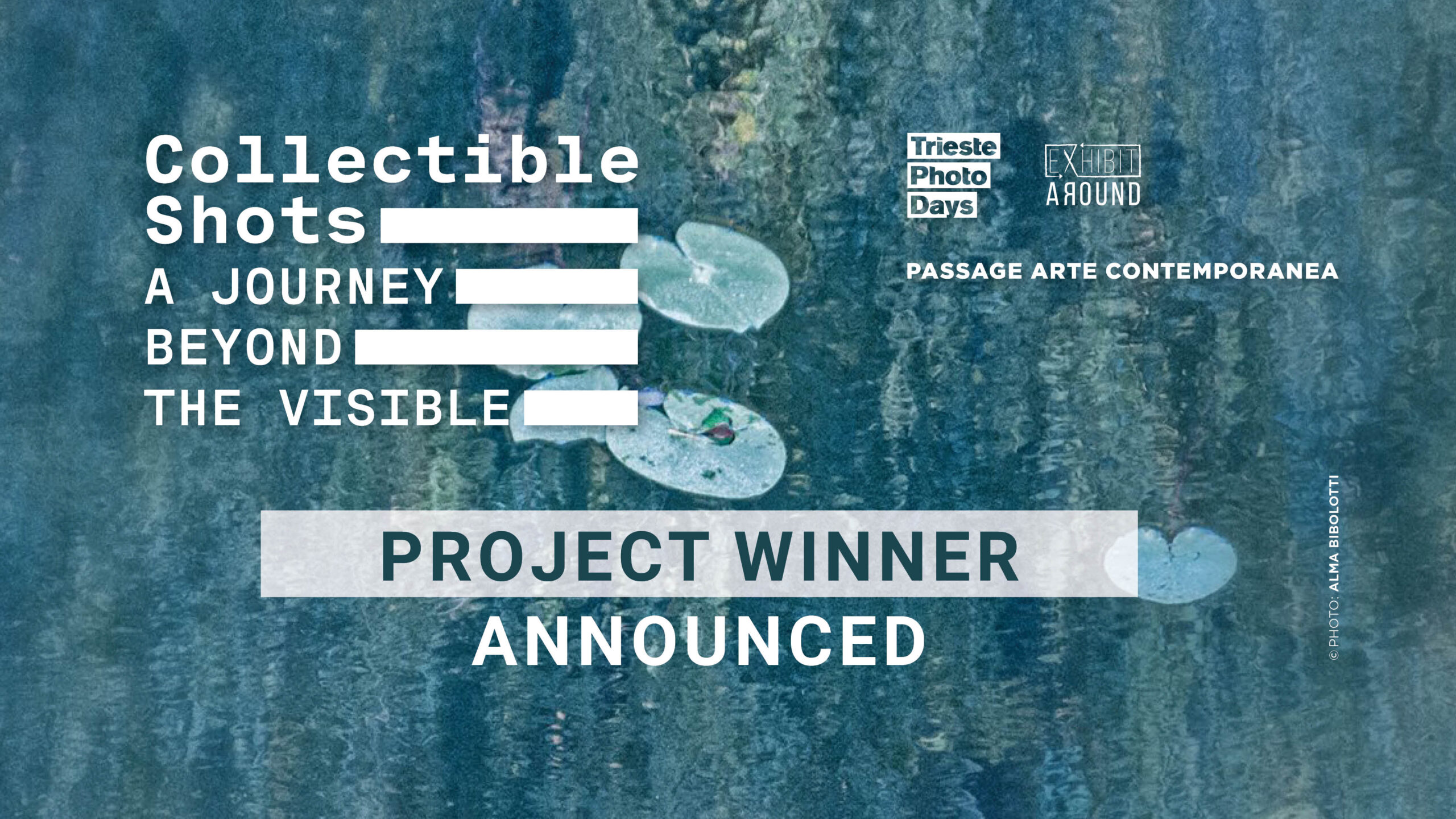
We are pleased to announce that The Lilies Pond by Alma Bibolotti is the winning project of Collectible Shots – A Journey Beyond the Visible, the open call exclusive to members of Exhibit Around APS held in collaboration with the Passage Arte Contemporanea gallery in Trieste.
Collectible Shots was created to support photographers in their professional path, offering them the opportunity to exhibit and sell their work in a gallery. The final selection was entrusted to a jury made up of Peter Iancovich (director and co-founder of Passage Arte Contemporanea gallery), Alessandra Spigai (artist and co-founder of Passage Arte Contemporanea gallery), Alessandra Calò (photographer), Fabrizio Cicconi (photographer), Annalisa Foti (art dealer), and Daniele Berto (poet).
The Lilies Pond by Alma Bibolotti is a project born from her fascination with Claude Monet’s Nymphéas and from observing water lily ponds as a world of secret alchemies. Influenced by Japanese wabi-sabi aesthetics, Bibolotti turns her attention to transient, imperfect beauty: her images reject sharp focus, favouring light that carves natural elements and turns them into metaphors for a liminal zone. Water reflections dissolve the surface into flow, tracing patterns and curves in what she describes as a kind of blue dance. The result is a progression from representation to abstraction, where soft tones and cold colours blur and fade the shapes, lending the scenes a surreal quality that deepens their melancholic mood and heightens the dreamlike, ethereal aura of leaves and flowers, evoking the rarefaction and nostalgia of a “floating world.”
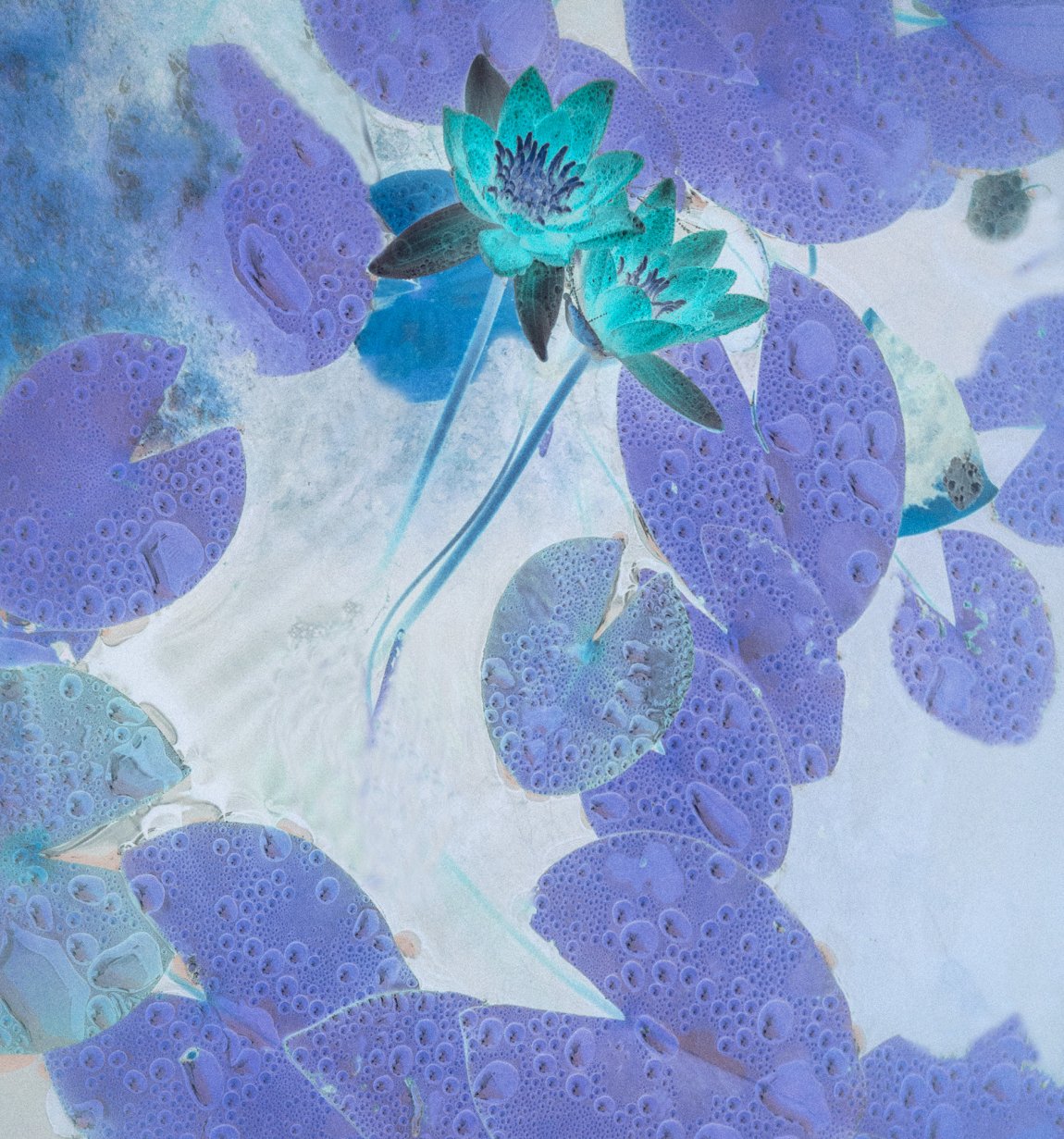
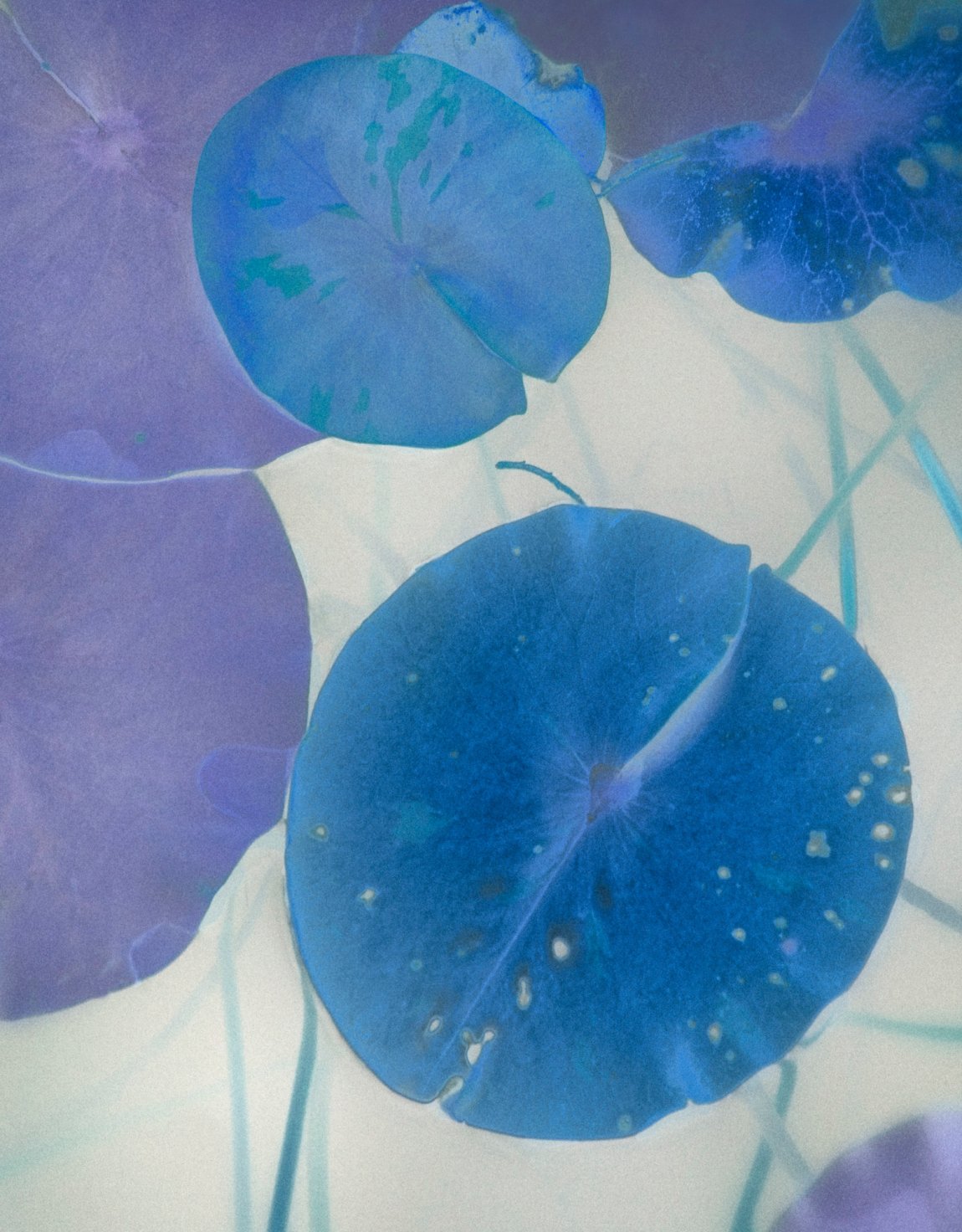
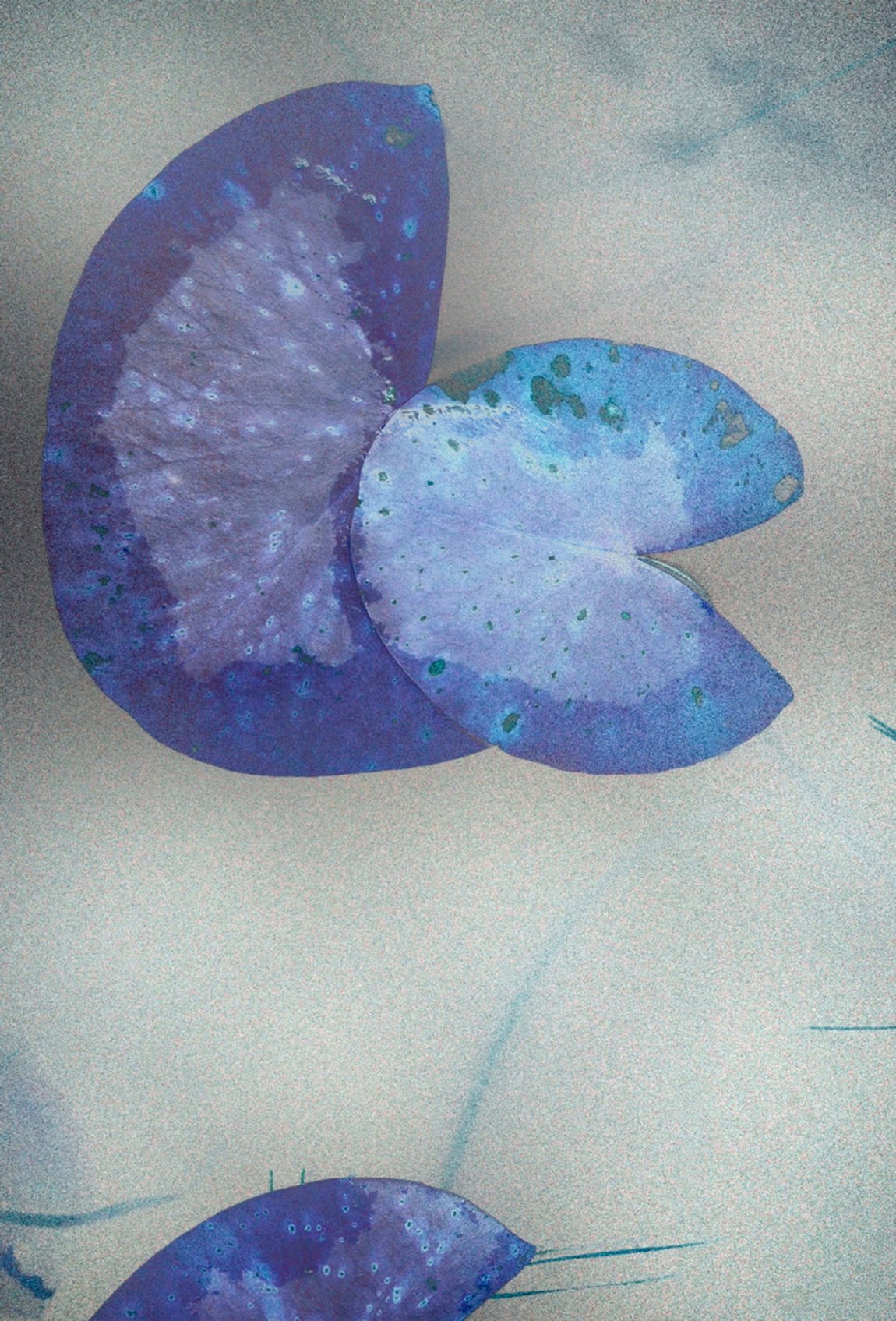
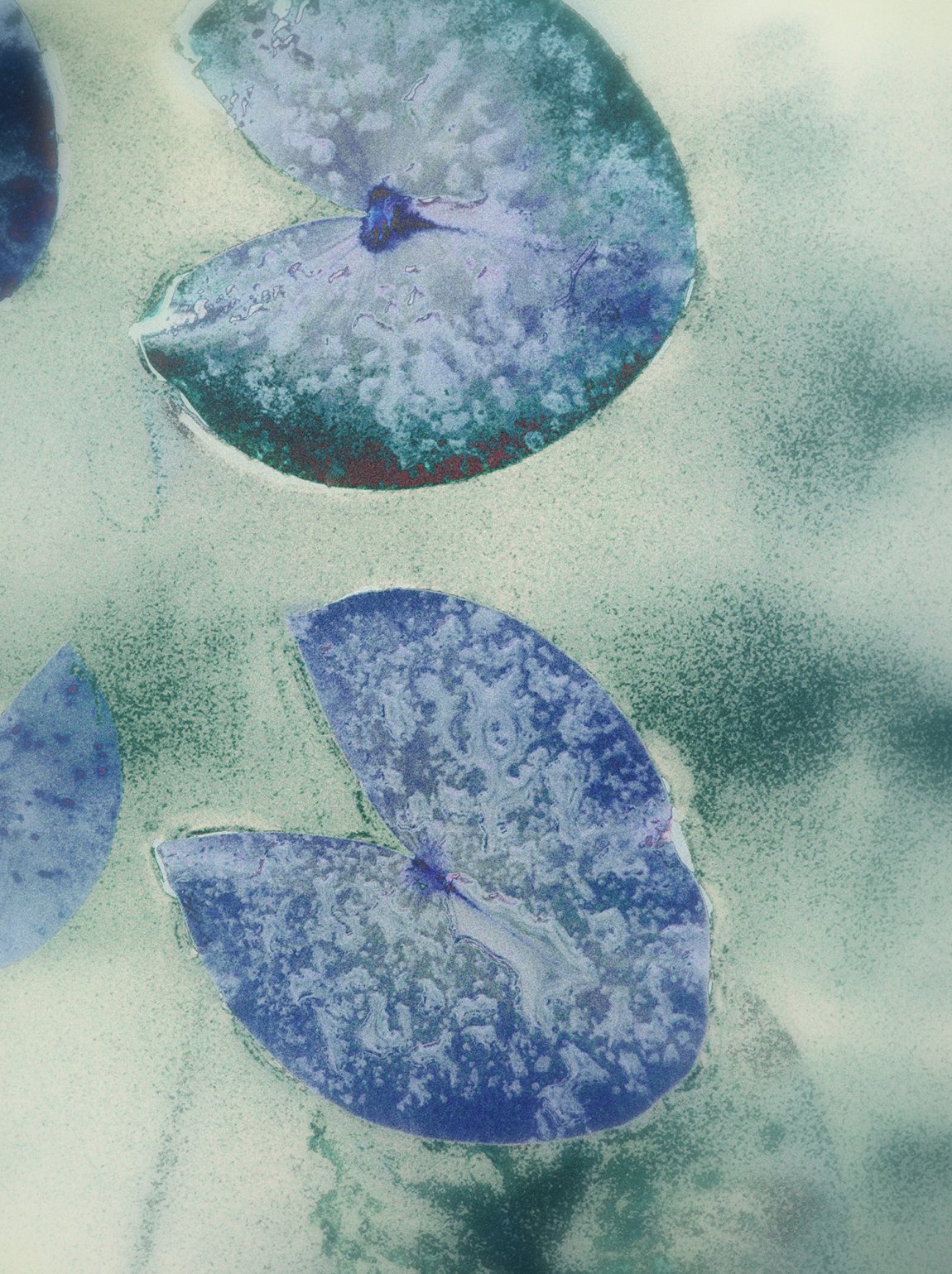
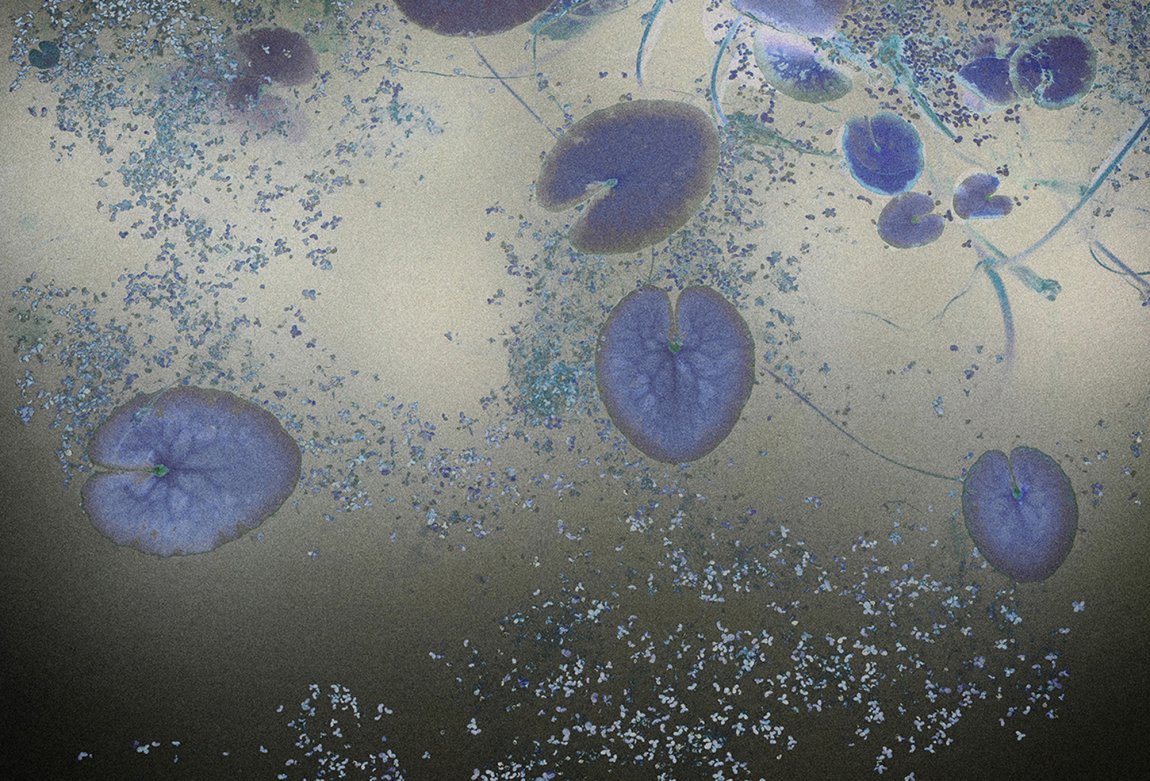
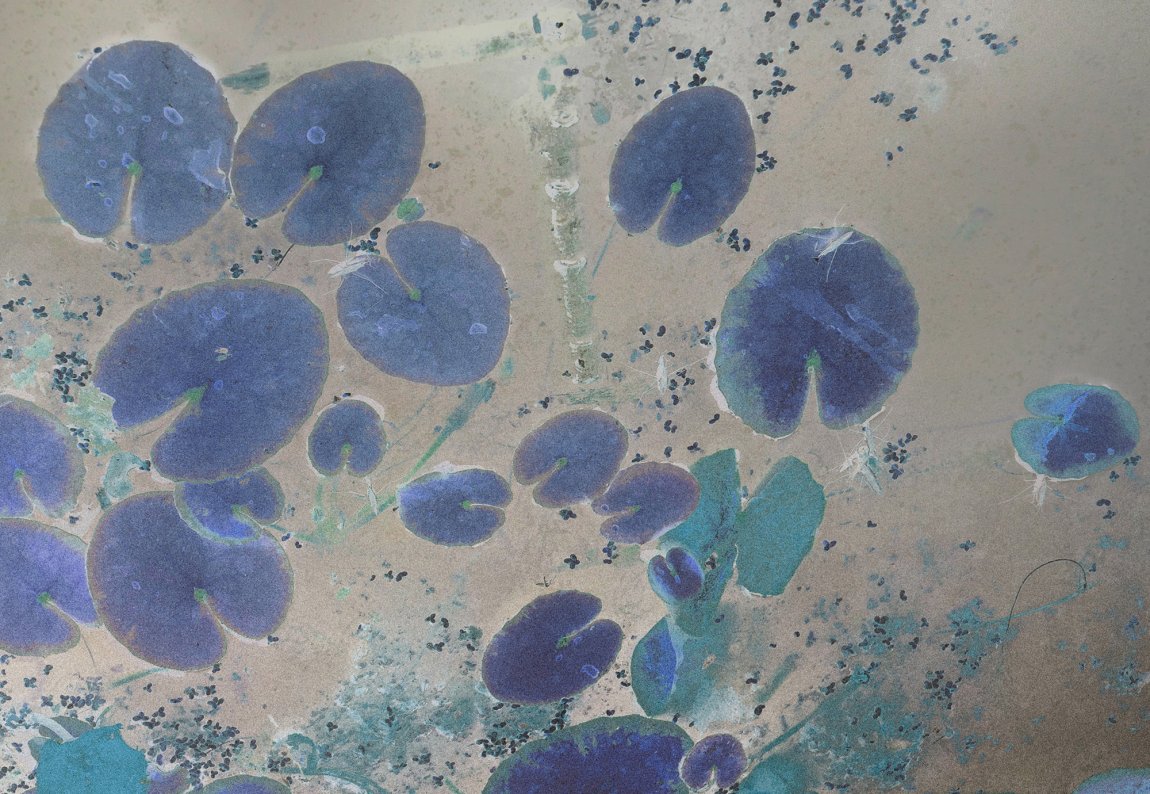
The Lilies Pond by Alma Bibolotti will be exhibited at Passage Arte Contemporanea during Trieste Photo Days 2026 (October 22-25), in dialogue with A/R Acqua e Ruggine by Giulia Natalia Comito, already a winner of the 2025 Portfolio Reviews, and with Alessandra Spigai’s sculptures from the series Le muse interiori.
We are also pleased to award two honourable mentions:
The Time Dreamed by Umberto Verdoliva is a project born from the distance between the time lived and the time longed for. Through transitional places, temporary rooms, and nights lit by artificial light, the author searches for a form of permanence that daily life does not allow: family, affection, and simple gestures are not absences, but fragile, intermittent presences that fully exist only when he is able to stop and truly look at them. The passing landscape, blurred faces, and lights in the fog belong to an uncertain time, suspended between reality and imagination: not the time he lives, but the one he desires, holds onto, sometimes only brushes against. Verdoliva has long pursued a path in humanist photography and was named FIAF Author of the Year in Caorle in 2023.
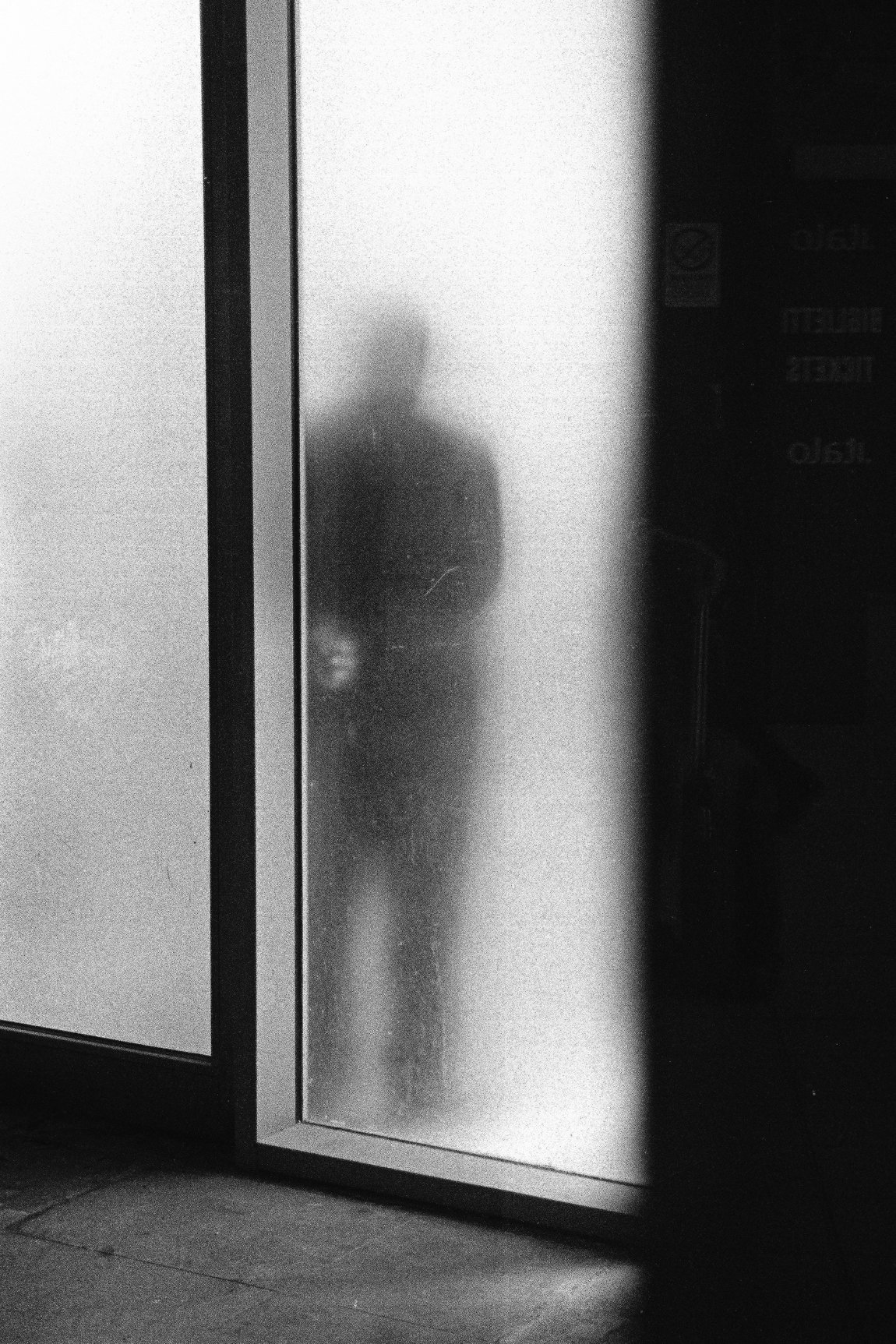
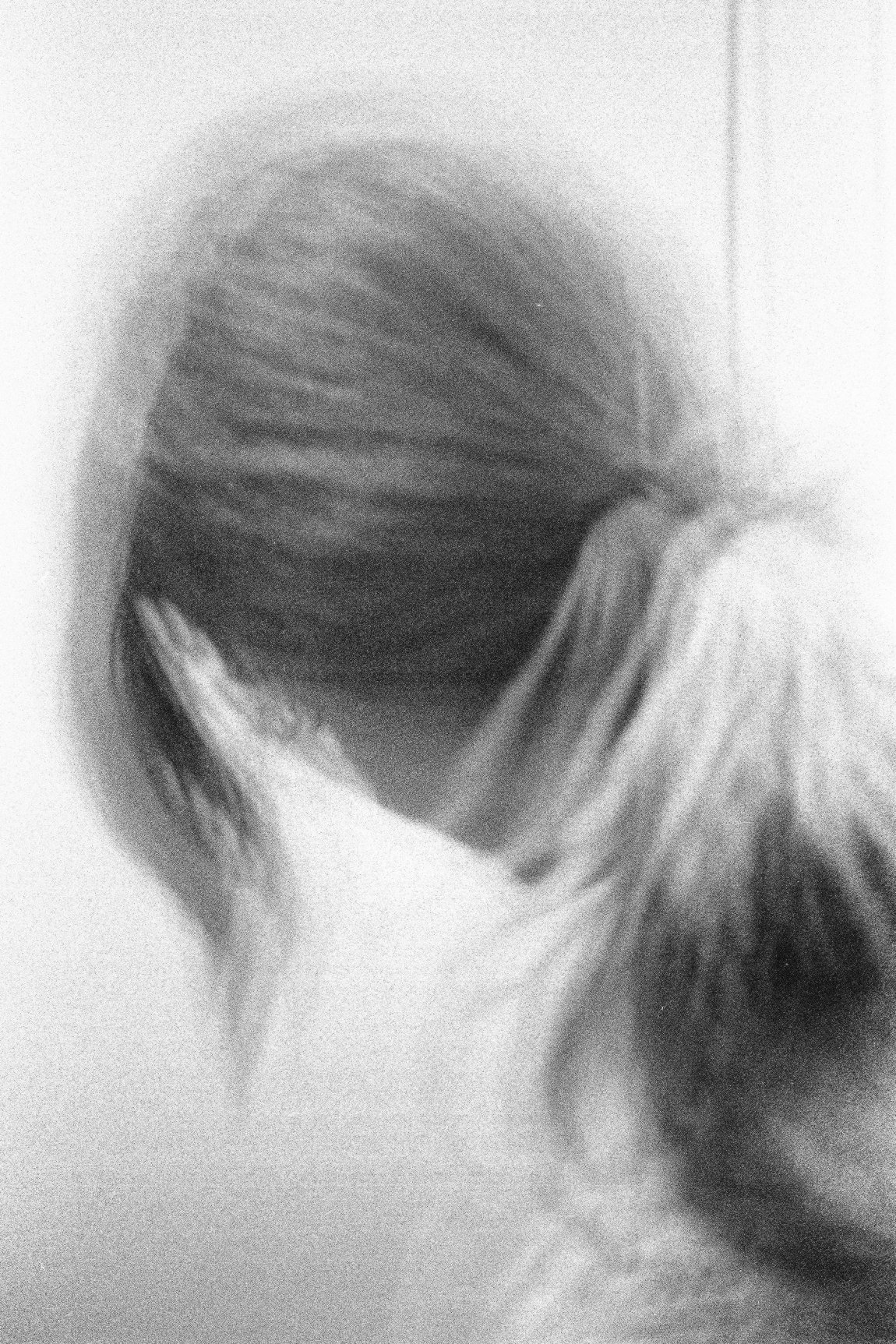
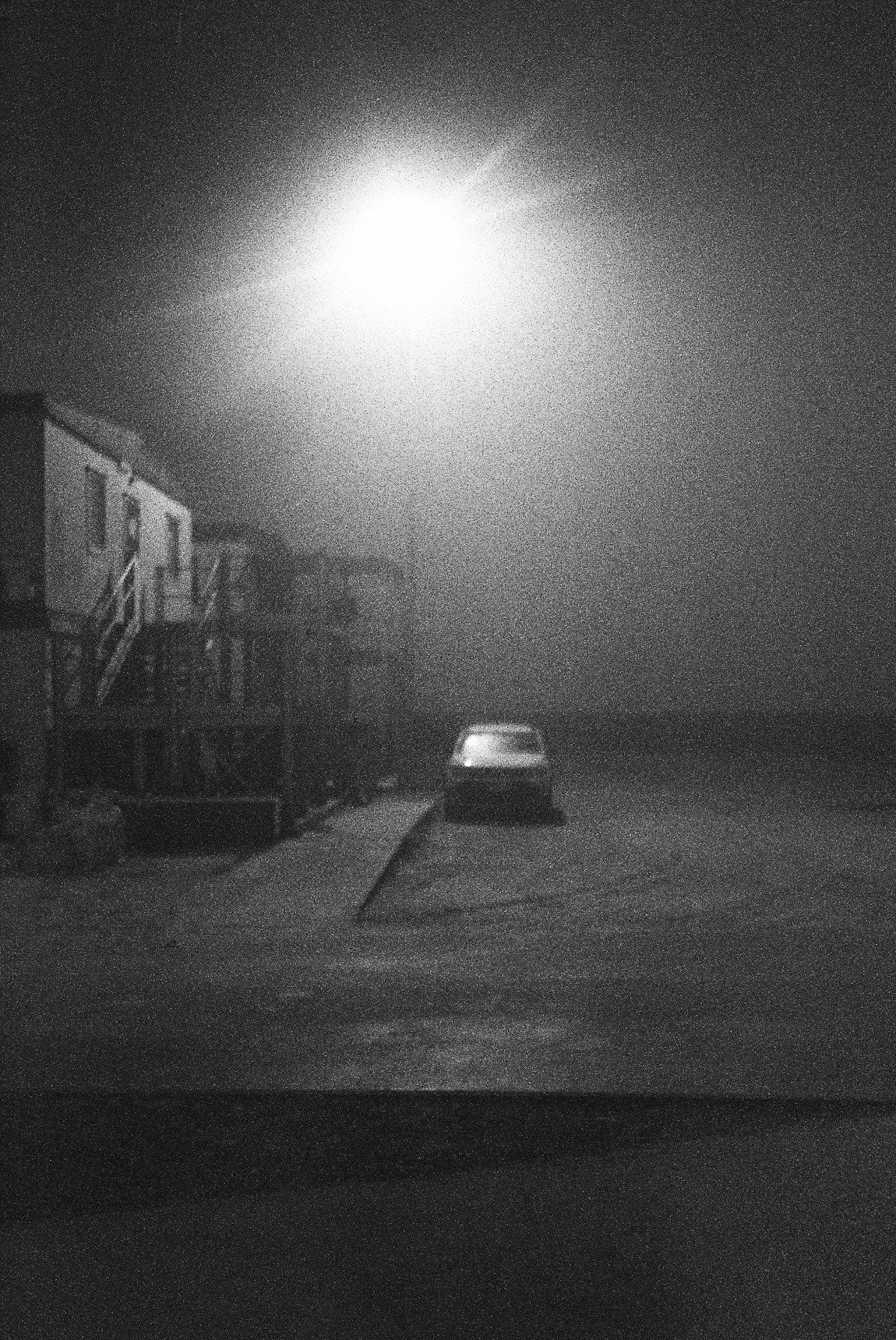
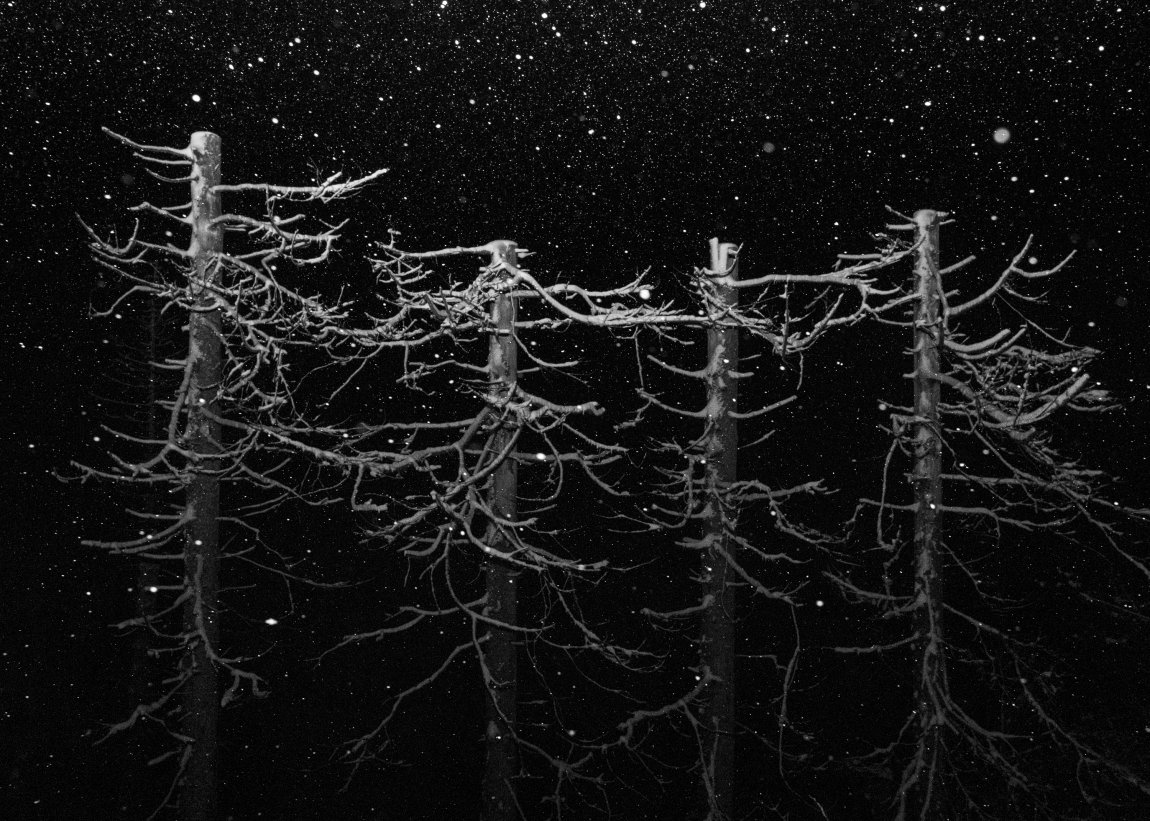
Heim by Markus Born is a long-term photographic project made while living in and travelling through Germany. The selection presented, nineteen black-and-white photographs, is a considered excerpt from a larger body of work, also intended for a book project planned for 2027. With an approach that combines documentary rigour and compositional research, Born leaves room for chance, building an associative panorama that is dark, attentive, and unsettled, touching on themes such as historical memory, migration, and the relationship with nature. The title itself, “heim,” stops just short of “Heimat” (homeland, belonging), gesturing towards a return that never fully arrives.
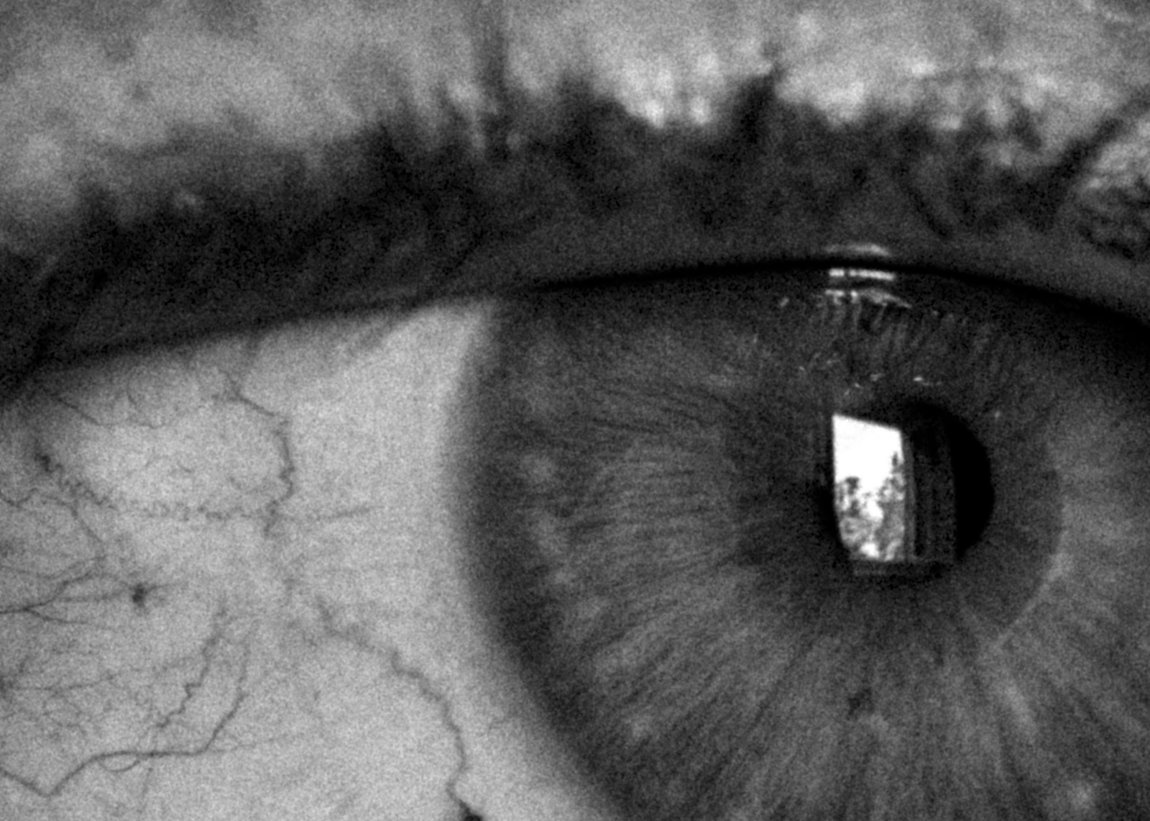
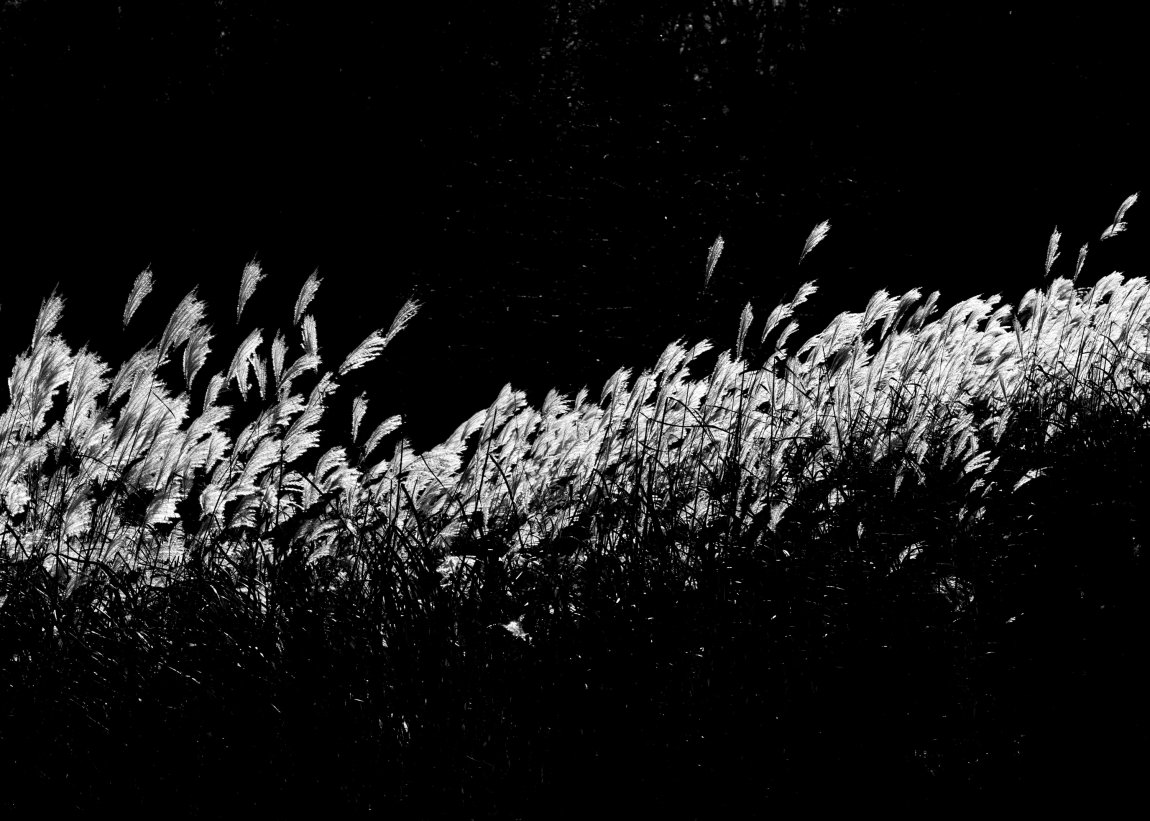
Alongside the winning project and the two honourable mentions, we would like to acknowledge three further projects that stood out for the coherence of their research and the strength of their visual language.
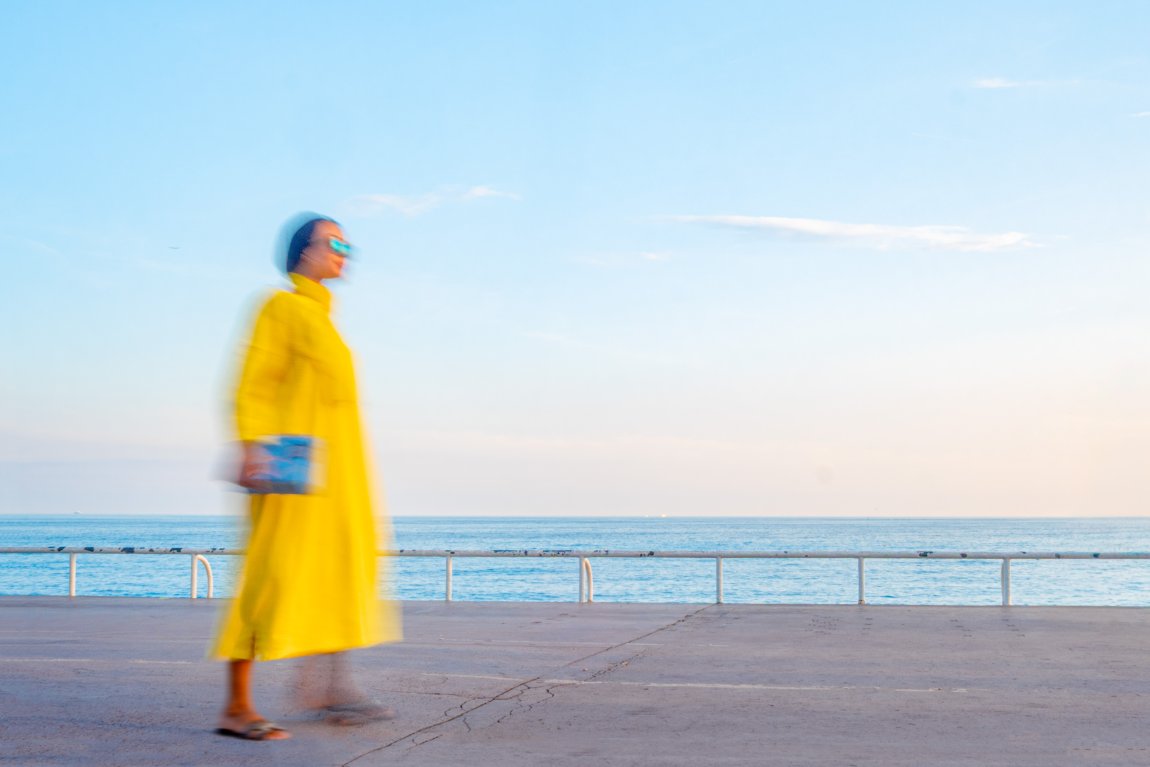
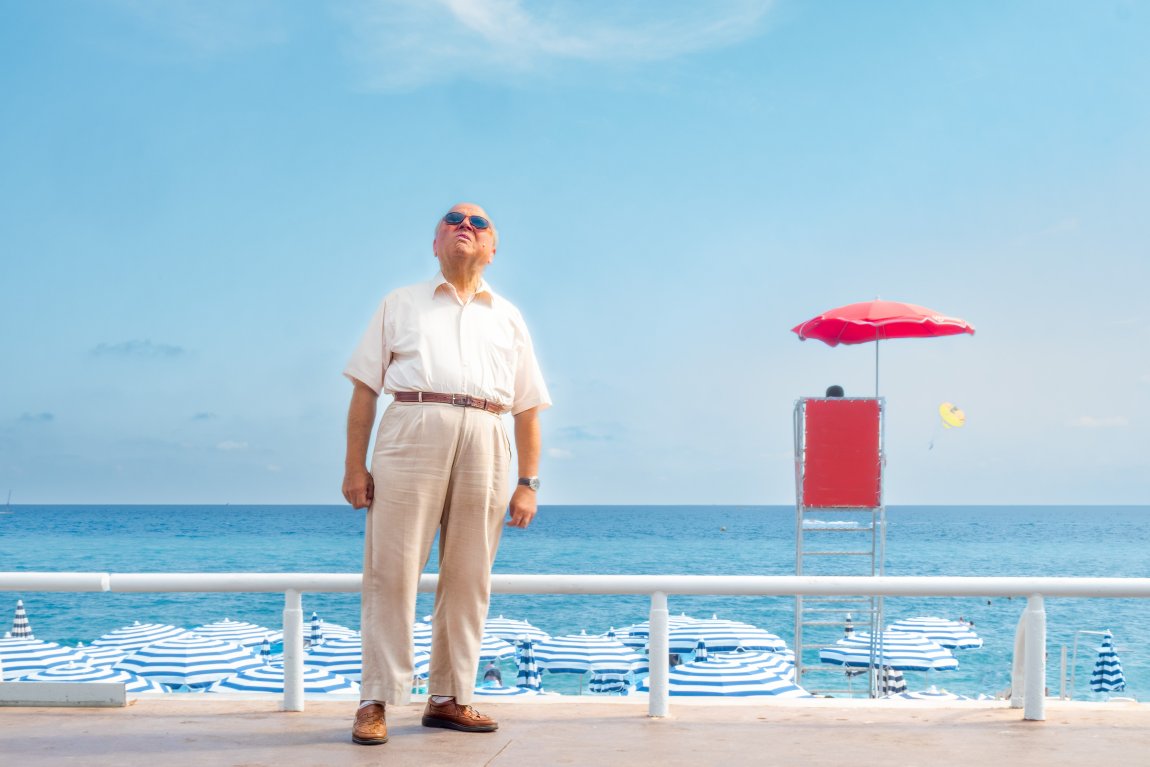
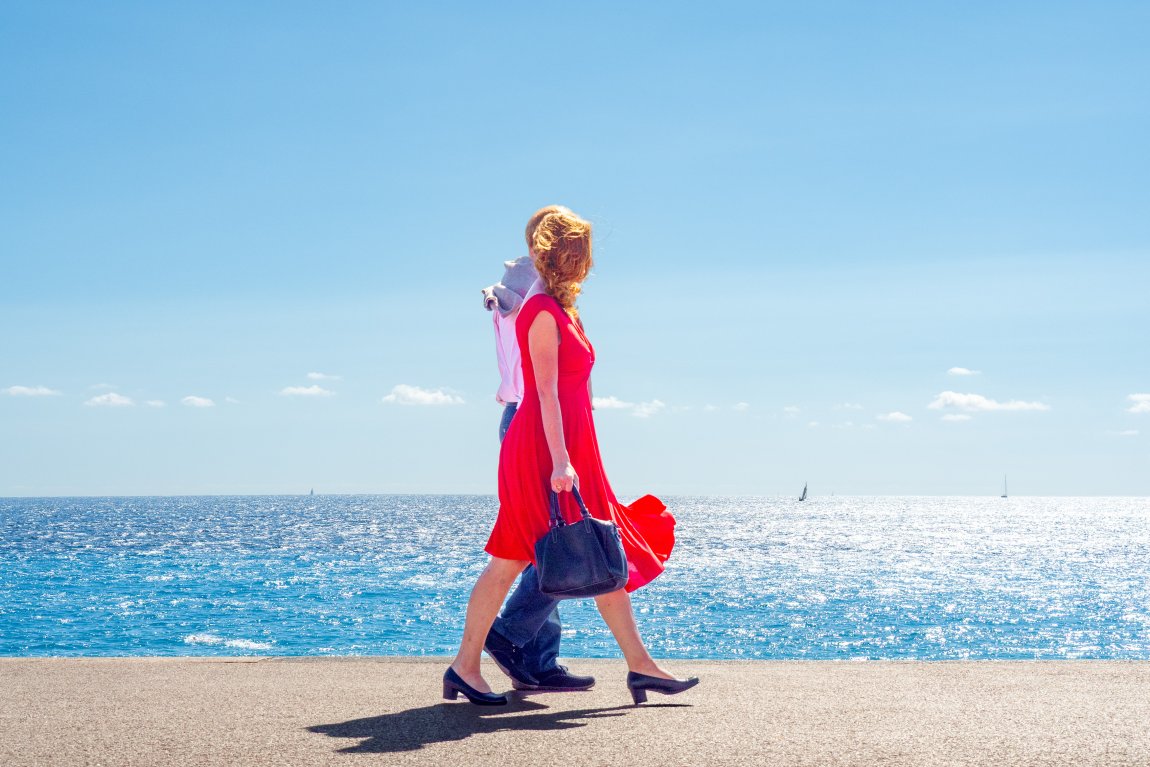
Promenade Moments (Remastered) by Pia Parolin (France) is a colourful, poetic and deeply personal series, begun in 2016 on the Promenade des Anglais in Nice in the years following the terrorist attack, as a way of saying a firm no to fear. Colour, movement and light come out of a daily presence and of a light, attentive form of observation: people passing by, bodies in motion, colours mixing with the light of the sea. Human figures appear as faint traces, silhouettes crossed by light; the images are built in an instant, yet they do not try to stop time, they let it flow. Reworked years later from photographs taken mainly between 2017 and 2022, with refined colours and lighter compositions, the series now functions as a set of autonomous, exhibitable works rather than a narrative sequence, and stands as an invitation to look at everyday life with an open gaze and to recognise a form of strength in lightness.
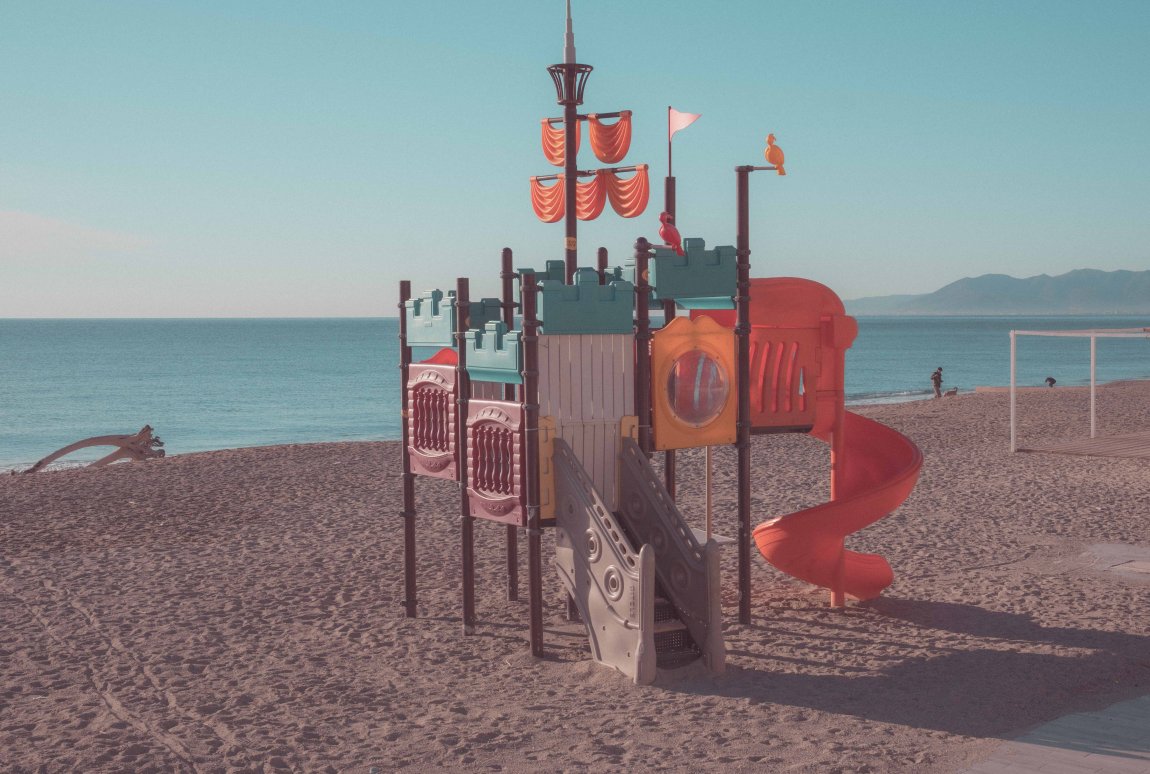
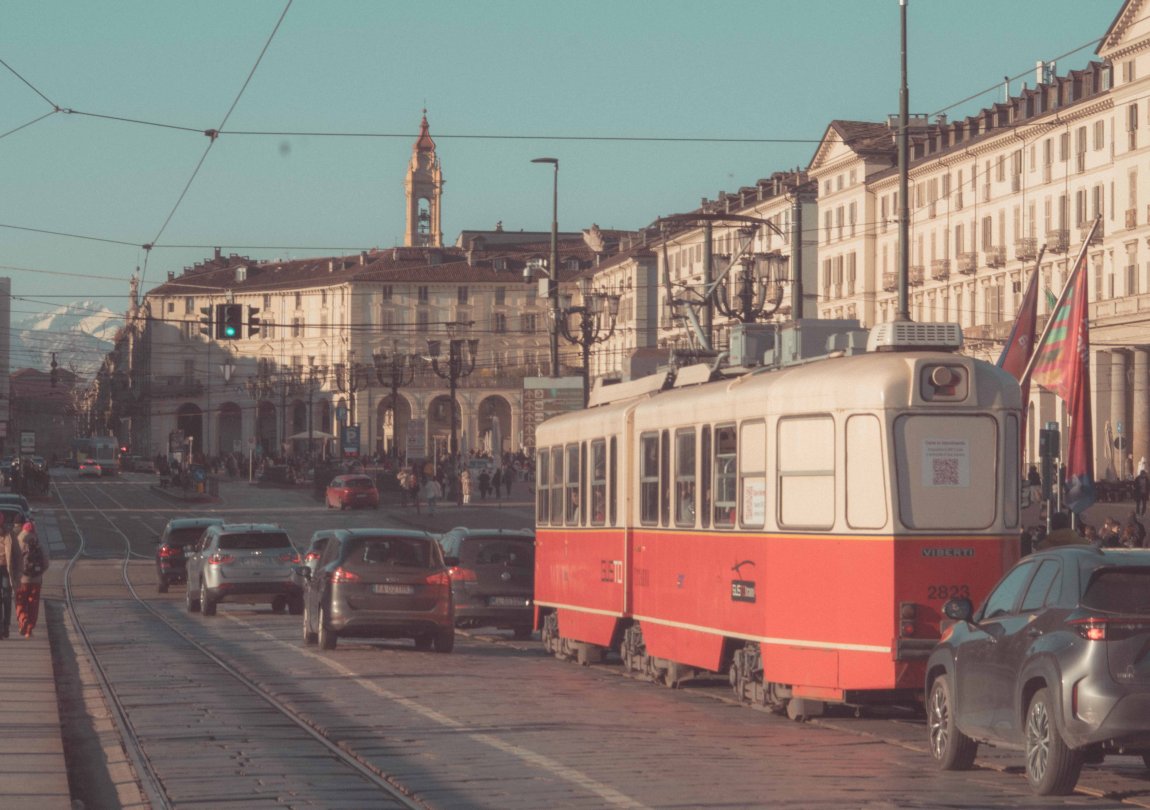
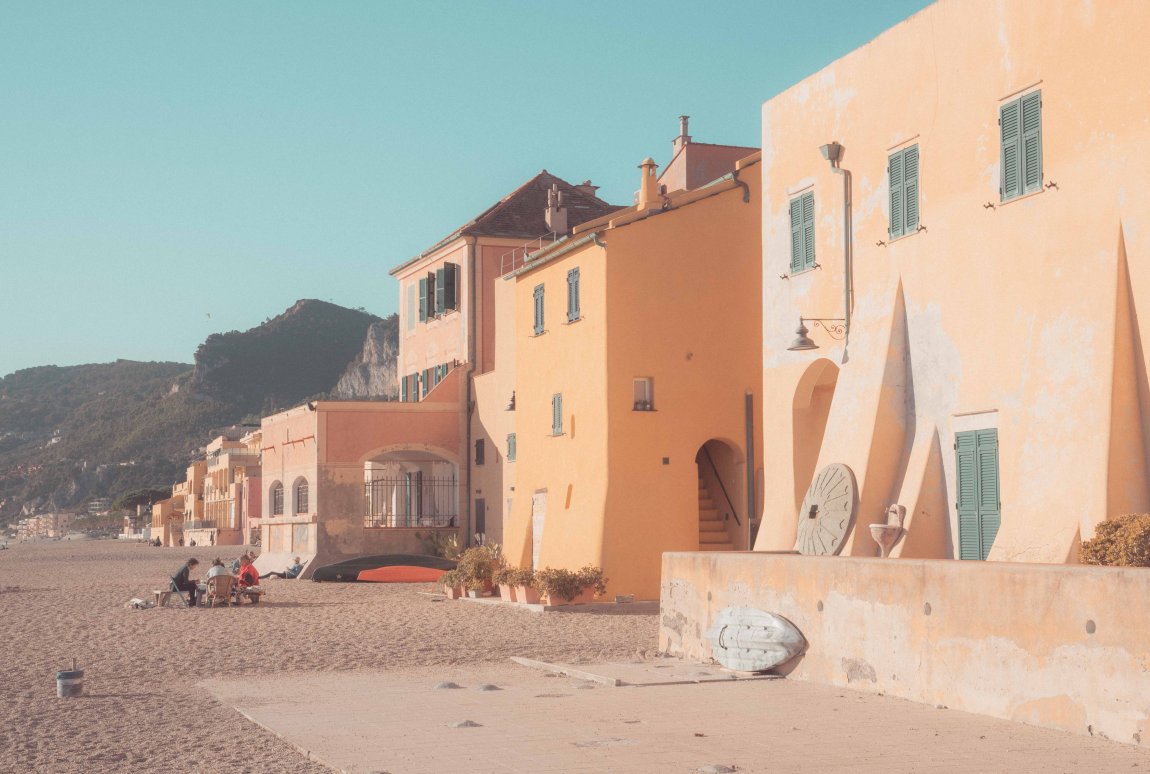
The Colour of Quiet by Luca Arfini (Italy) examines the threshold as a liminal space between tension and reassurance. In a time of instability and widespread uncertainty, it explores how images can serve as a refuge while still recognising change. A pastel palette evokes calm, familiarity and nostalgia across everyday scenes, often rooted in domestic or intimate provincial settings, where a subtle tension remains perceptible. These spaces seem stagnant yet contain a sense of movement: a passage, an ongoing transformation. Change is implied through light, colour and detail rather than explicitly shown, and the viewer is encouraged to pause and observe what happens in between.
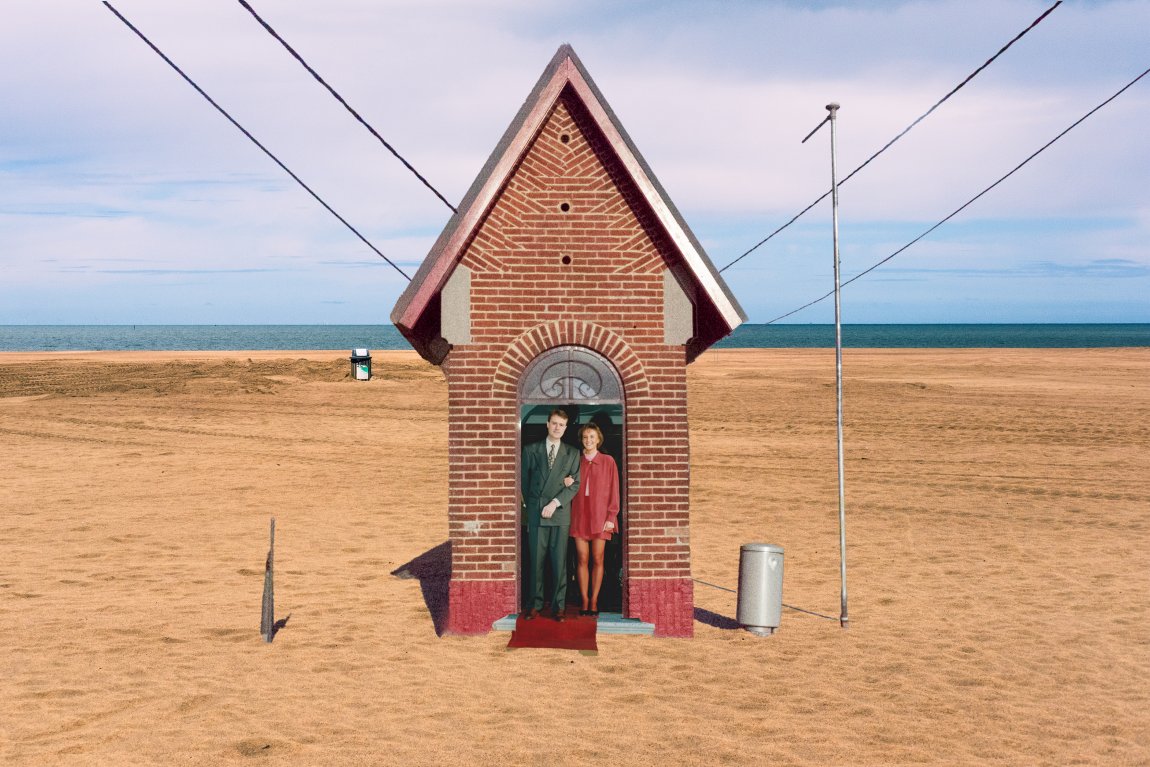
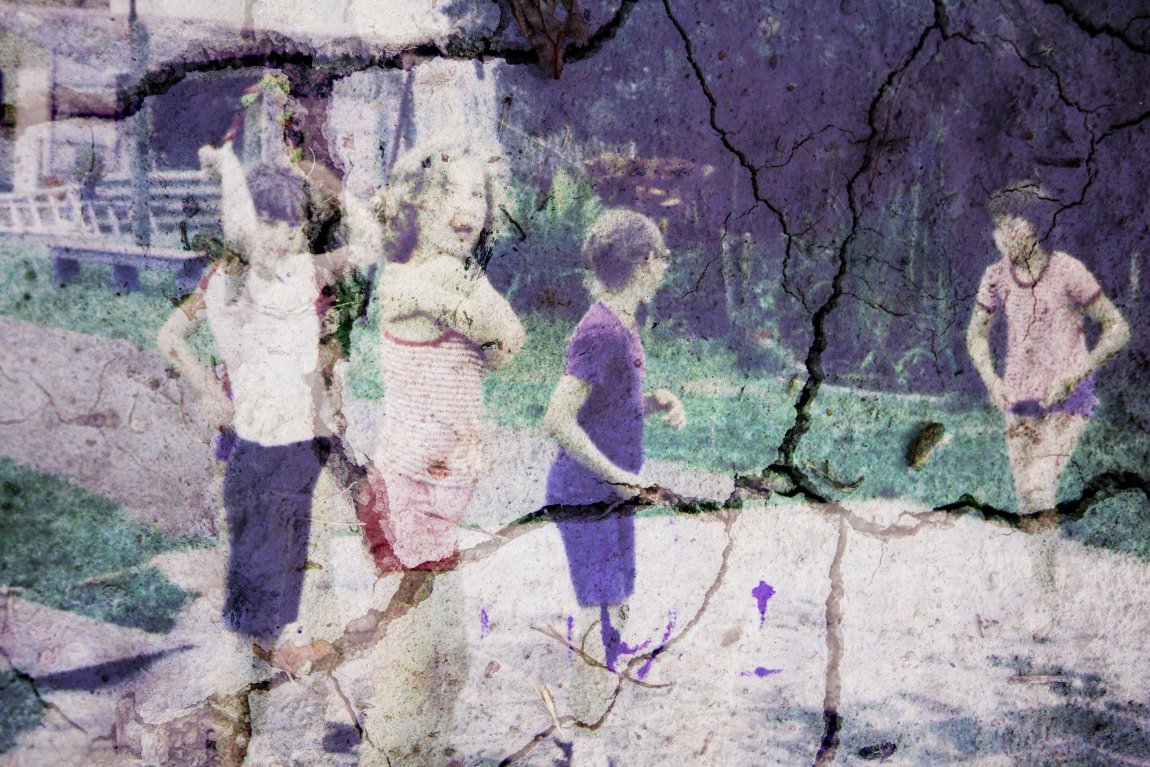
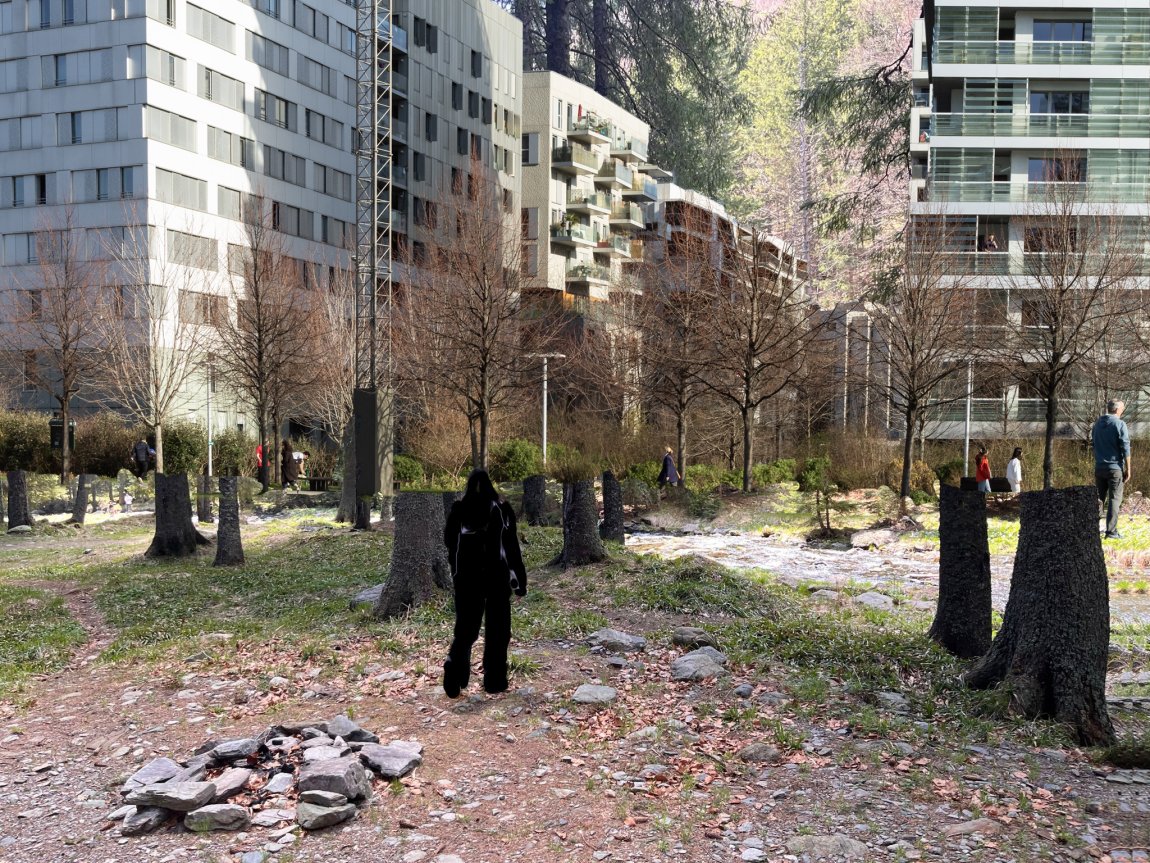
Greetings from the Past by Ingrid Gielen (Belgium) starts from the idea that a photograph only seems to be a captured moment, an objective truth: the moment we look at it, it becomes a mirror of our memory, a trigger for emotion, a gateway to the past. Gielen explores how an old photograph calls up different memories and feelings in the people pictured in it or connected to it, and reimagines those stories by combining an old image with a new one, so that the original photograph branches out into a series of new interpretations. The result is a visual dialogue between shared history and personal experience, showing how memories are not fixed but evolve with who we are, and how a single image can hold a thousand stories.